
FIFA Investigation on Racial Officiating: Understanding the Process, Challenges, and Global Impact
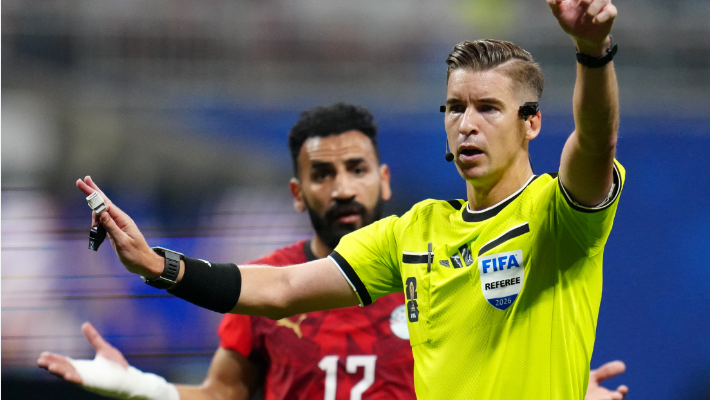
FIFA Investigation on Racial Officiating: Understanding the Process, Challenges, and Global Impact
Your complete guide to how football’s governing body handles allegations involving discrimination in officiating.
What Is a FIFA Investigation on Racial Officiating?
A FIFA investigation on racial officiating generally refers to a formal review of allegations that discriminatory behavior or racial bias may have influenced officiating decisions or conduct during football matches. Such investigations focus on determining facts rather than assumptions.
Importantly, investigations are not automatic findings of guilt. Instead, they represent an organized process that allows relevant authorities to collect evidence, interview witnesses, review reports, and determine whether any regulations were violated.
Football authorities recognize that allegations involving discrimination can affect public confidence, player welfare, tournament credibility, and the reputation of officials. Because of this, investigations are expected to be thorough and impartial.
Why Racial Officiating Allegations Matter
Modern football promotes diversity at every level. Players, coaches, referees, supporters, and administrators come from different cultural and ethnic backgrounds. Any allegation suggesting racial discrimination deserves careful attention because it may affect:
- Player confidence and mental wellbeing.
- Public trust in competition fairness.
- The reputation of referees and governing bodies.
- The image of domestic leagues and international tournaments.
- Football’s commitment to equality and inclusion.
Even when allegations ultimately prove unfounded, transparent investigative procedures help reassure the football community that complaints receive appropriate attention.
How FIFA Investigates Allegations
FIFA Investigation on Racial Officiating Begins with a Complaint
Most investigations begin after an official complaint, referee report, player statement, federation submission, or credible evidence becomes available. Public attention alone does not determine disciplinary action.
Officials first assess whether there is sufficient information to justify opening a formal review.
Evidence Collection
Investigators may gather information from multiple sources, including:
- Official match reports.
- Broadcast footage.
- Stadium surveillance recordings.
- Audio communication where available.
- Witness statements.
- Medical or psychological reports if relevant.
- Independent expert opinions.
FIFA Investigation on Racial Officiating Requires Due Process
Every individual involved has an opportunity to respond to allegations. Fair disciplinary procedures protect both complainants and those accused. This principle helps maintain confidence in the justice of football governance.
Independent Review
Disciplinary panels typically evaluate evidence independently. Decisions should rely on documented facts rather than speculation or media commentary.
What Evidence Carries the Most Weight?
Not every piece of evidence has equal value. Investigators generally assess both reliability and relevance before reaching conclusions.
| Evidence Type | Purpose | Reliability |
|---|---|---|
| Video footage | Visual confirmation of incidents | Very High |
| Official match reports | Match documentation | High |
| Witness testimony | Provides context | Moderate to High |
| Audio recordings | Verifies spoken communication | Very High when authenticated |
| Media reports | Background information | Low unless independently verified |
Evidence is usually considered collectively rather than in isolation.
Possible Outcomes of an Investigation
If investigators determine that regulations were violated, disciplinary bodies may impose sanctions appropriate to the findings.
Possible outcomes include:
- No disciplinary action due to insufficient evidence.
- Official warning.
- Financial penalties.
- Suspension from football activities.
- Mandatory education or diversity training.
- Long-term or permanent bans in severe cases.
Conversely, if allegations cannot be substantiated, individuals may be cleared following completion of the review.
Overview of the Investigation Process
| Stage | Main Objective |
|---|---|
| Complaint Received | Determine whether allegations warrant review. |
| Evidence Gathering | Collect all relevant documentation. |
| Witness Interviews | Clarify disputed events. |
| Independent Assessment | Review evidence objectively. |
| Decision | Determine whether rules were breached. |
| Appeal (where applicable) | Allow review under governing regulations. |
The Future of Fair Officiating
Football continues to invest in referee education, diversity programs, technology, and anti-discrimination campaigns. Improved communication systems, enhanced match analysis, and clearer reporting mechanisms may strengthen future investigations.
Technology alone cannot eliminate discrimination. Instead, consistent education, accountability, transparent governance, and strong ethical leadership remain essential.
Football organizations around the world increasingly encourage players and officials to report discriminatory conduct promptly so that allegations can be reviewed fairly.
Education Is as Important as Enforcement
Many football experts believe prevention is more effective than punishment alone. Continuous education helps referees understand unconscious bias, cultural awareness, and professional responsibilities while strengthening public confidence.
Frequently Asked Questions
1. What is FIFA investigation on racial officiating?
It is the formal examination of allegations suggesting discriminatory conduct or racial bias connected to football officiating.
2. Does every complaint result in punishment?
No. Investigations evaluate evidence before any disciplinary decision is made.
3. Can referees be investigated?
Yes. Match officials may be investigated if credible allegations arise.
4. What evidence is most important?
Official reports, authenticated recordings, video footage, and credible witness testimony generally carry significant weight.
5. Can decisions be appealed?
Depending on applicable regulations, disciplinary decisions may be subject to appeal.
6. Why is due process important?
It protects fairness for everyone involved while preserving confidence in football governance.
7. Does FIFA promote anti-discrimination?
Yes. Football authorities maintain regulations and educational initiatives designed to combat discrimination.
8. How long can investigations take?
The timeframe depends on the complexity of the evidence and procedural requirements.
9. Why do these investigations receive global attention?
Football has billions of followers worldwide, making integrity and equality matters of international interest.
Conclusion
The FIFA investigation on racial officiating represents far more than a disciplinary process—it reflects football’s broader commitment to fairness, transparency, and respect for every participant. Investigations must balance accountability with due process while relying on credible evidence instead of public opinion.
As football evolves, stronger education programs, improved reporting systems, technological advancements, and consistent enforcement of anti-discrimination regulations will remain vital. Ultimately, every FIFA investigation on racial officiating serves the larger goal of protecting the integrity of the game and ensuring that football remains inclusive for players, officials, and supporters around the world.