
Premium Digital Card Platforms: The Ultimate Guide to Virtual Payments
Premium Digital Card Platforms: The Ultimate Guide to Virtual Payments
A Complete Guide to Modern Virtual Payment Technologies
Understanding the mechanics of premium digital card platforms is essential in today’s cashless world. As digital payments rapidly replace traditional banking methods, these platforms offer a secure, flexible, and convenient way to manage money online.
Whether you are a business owner, a frequent online shopper, or a fintech enthusiast, knowing how these systems work helps you make smarter financial decisions. This guide covers everything from core features to future trends, ensuring you grasp the full potential of modern virtual payment technology.
What Are Premium Digital Card Platforms?
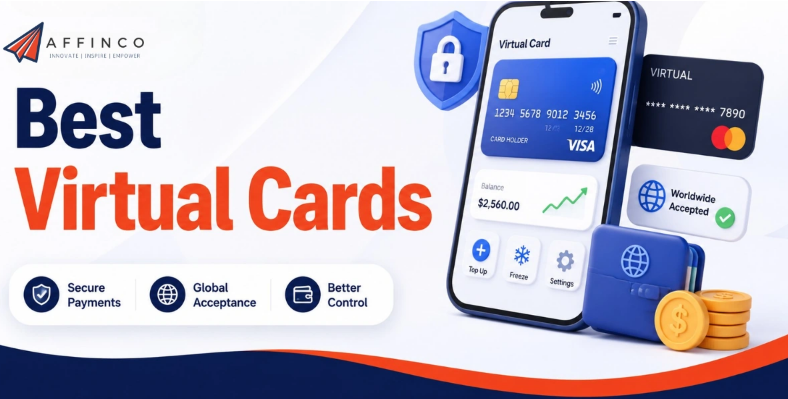
Premium digital card platforms are advanced fintech solutions that allow users to create and manage digital payment cards. Unlike traditional plastic cards, these platforms often exist entirely online and come with powerful features designed for the modern economy.
Key capabilities include:
-
Instant virtual card creation
-
Real-time transaction notifications
-
Merchant-specific card generation
-
Temporary disposable cards
-
Advanced fraud monitoring
-
Business expense management
-
International payment capabilities
These features make them ideal for individuals, freelancers, digital businesses, and global enterprises.
How Premium Digital Card Platforms Work
While the user experience is simple, the technology behind these platforms involves multiple integrated layers. Here is a breakdown of the typical transaction flow:
1. User Registration
The process starts with creating an account. This usually involves Know Your Customer (KYC) checks, document verification, and sometimes biometric authentication.
2. Card Generation
Once verified, the platform generates digital cards. Depending on the provider, users can get:
-
Single-use virtual cards
-
Reloadable virtual cards
-
Corporate expense cards
-
Subscription-specific cards
3. Funding the Card
Users fund their cards via bank transfers, debit cards, digital wallets, or payroll deposits. Some platforms even support cryptocurrency conversion.
4. Authorization Process
When a transaction is initiated:
-
The merchant sends the payment request.
-
The payment network validates it.
-
The platform verifies available funds.
-
Fraud detection systems analyze behavior.
-
The transaction is approved or declined in seconds.
5. Settlement
After authorization, funds settle between financial institutions. Users receive instant updates, and merchants get payment confirmation.
Core Features of Modern Platforms
Today’s premium platforms offer intelligent financial tools that go beyond simple card issuance. Here are the standout features:
Tokenization
Instead of exposing your actual card number, tokenization replaces it with an encrypted digital token. This makes stolen data useless to hackers.
Dynamic CVV
Some providers use security codes that change automatically, significantly reducing fraud risks.
Instant Card Freezing
Users can freeze or permanently disable cards directly from their mobile apps without contacting support.
Merchant Locking
Certain virtual cards can be restricted to a single merchant, preventing unauthorized purchases elsewhere.
Expense Categorization
AI-powered tools automatically categorize spending, making budgeting and accounting much easier.
Security Technologies Behind Premium Platforms
Security is the foundation of every premium digital card platform. Modern providers implement multiple layers of protection:
-
End-to-end encryption
-
Multi-factor authentication (MFA)
-
Machine learning fraud detection
-
Device recognition
-
Behavioral analytics
-
Biometric authentication (fingerprint/face ID)
-
Real-time fraud monitoring
Instead of relying on a single measure, these platforms continuously monitor transactions for suspicious activity and can block fraudulent payments instantly.
Key Features Comparison Table
| Feature | Traditional Cards | Premium Digital Card Platforms |
|---|---|---|
| Virtual Card Support | Limited | Yes |
| Instant Card Creation | No | Yes |
| Disposable Cards | Rare | Common |
| Real-Time Notifications | Sometimes | Standard |
| Merchant Restrictions | Limited | Advanced |
| Budget Controls | Basic | Extensive |
| Fraud Detection | Traditional Rules | AI-Based Monitoring |
| Business Expense Tools | Basic | Comprehensive |
Benefits for Consumers and Businesses
Benefits for Consumers
-
Better Security: Lower exposure to fraud and data breaches.
-
Easy Management: Simple subscription tracking and travel-friendly payments.
-
Instant Alerts: Real-time spending notifications for better budgeting.
Benefits for Businesses
-
Automated Reporting: Streamlined expense reporting and audit trails.
-
Employee Controls: Set spending limits and restrictions for staff.
-
Simplified Payments: Easier vendor management and reduced paperwork.
Challenges Facing Premium Digital Card Platforms
Despite their advantages, these platforms face several hurdles:
-
Compliance with changing financial regulations
-
Cross-border payment complexities
-
Cybersecurity threats
-
Merchant acceptance limitations
-
Integration with legacy banking systems
Successful providers continuously invest in compliance, infrastructure, and security to overcome these obstacles.
The Future of Premium Digital Card Platforms
Emerging technologies are reshaping the digital payment landscape. Here are future trends to watch:
-
AI-powered Spending Assistants: Personalized financial advice.
-
Predictive Fraud Prevention: Proactive threat detection.
-
Open Banking Integrations: Seamless connections with bank accounts.
-
Embedded Finance: Payments integrated into non-financial apps.
-
Programmable Payment Rules: Customizable automated payments.
-
Biometric-only Authentication: Passwordless security.
As digital commerce expands, these platforms will become smarter, more secure, and more personalized.
Frequently Asked Questions (FAQs)
1. What is a premium digital card platform?
It is a financial platform offering advanced virtual payment cards with enhanced security and management tools.
2. Are virtual cards safer than physical cards?
Yes. Features like tokenization, disposable numbers, and spending controls significantly reduce fraud risks.
3. Can businesses use premium digital cards?
Yes. Businesses use them for employee expenses, supplier payments, and subscription management.
4. Are premium digital cards accepted worldwide?
Acceptance depends on the payment network and regional regulations, but most work internationally.
5. What is tokenization?
Tokenization replaces sensitive payment data with secure digital tokens during transactions.
6. Can I freeze my digital card instantly?
Yes. Most platforms allow users to freeze/unfreeze cards directly from their mobile apps.
7. Do premium digital cards support recurring subscriptions?
Yes. Many platforms allow separate virtual cards for different subscriptions.
8. How do fraud detection systems work?
They analyze spending patterns, device info, locations, and history using machine learning.
9. Are premium digital card platforms regulated?
Yes. They operate under financial regulations and comply with strict security standards.
Conclusion
Understanding the mechanics of premium digital card platforms is key to navigating the future of digital finance. These platforms combine advanced technology, AI, and robust security to deliver safer, more efficient payment experiences.
Further Reading & Resources
-
External Reference: Wikipedia – Digital Wallet
-
Internal Resource: 100Suretip.com Fintech Guides
© 2026 100Suretip.com. All Rights Reserved.